
ASEAN nations in a future World Cup: a far-fetched dream or a possibility?
- Phnom Penh Post

- Jun 17, 2025
- 3 min read
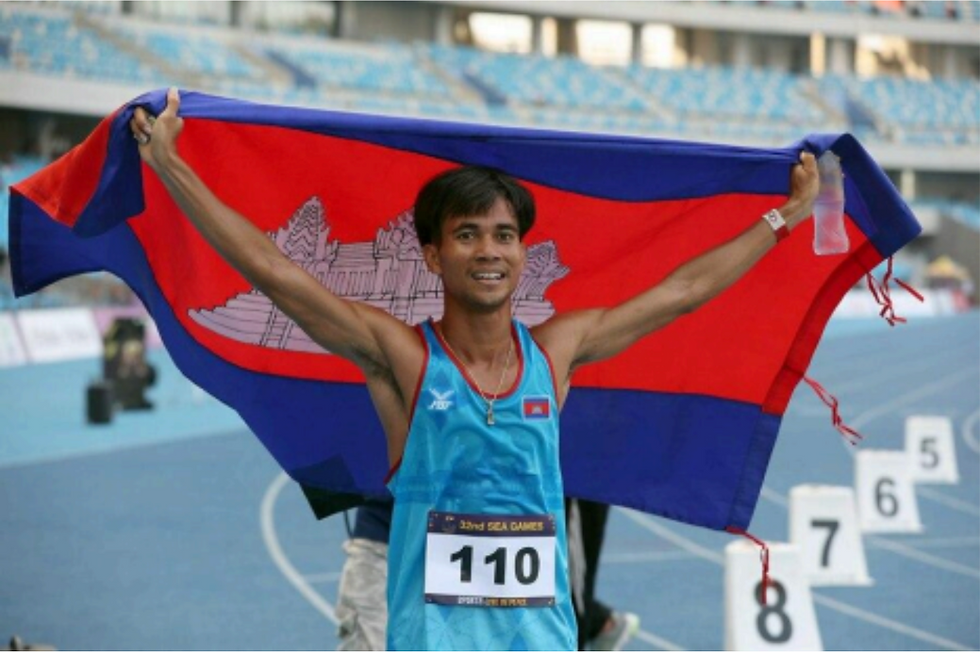
Many ASEAN countries hold aspirations in sporting events. From the Singaporean dream of getting into the World Cup to Cambodia’s plan to host the SEA Games 2025, it is clear that countries in the region share a passion for the sports scene.
But how successful is ASEAN on the global stage?
Take football as an example. Indonesia continues to be the sole Southeast Asian nation to have participated in a FIFA World Cup in 1938, under the name of the Dutch East Indies. In the Paris Olympics, only 16 medals were earned by only 3 ASEAN member states. In the grand scheme, ASEAN has only been a speck in the sports scene.
Understanding this, ASEAN sports ministers have discussed solutions to improve the quality and standards of our athletes, through improving coaching standards here in ASEAN.
A problem arises
One obstruction that aspiring athletes face is the lack of ASEAN government initiative to scout talent in sports. This is commonly due to the emphasis by countries on academic achievements over sporting ones. As such, infrastructural development remains severely lacking in promoting talent development.
If left unaddressed, this will prove to be socially detrimental, afflicting national pride and solidarity as athletes lose hope and passion in winning, as well as the country’s reputation amongst its own citizens regarding their care for home athletes.
The 1995 Rugby World Cup in South Africa was an embodiment of this theory. The nation was emerging from a period of apartheid, led by Nelson Mandela. The victory in the tournament ended up as a remarkable symbol of racial reconciliation and national unity.
Proposed Actions
This issue was voiced out by the Minister for Cambodia. The delegate proposed a “T-REX” talent development framework, promoting ASEAN member states to support budding athletes and let aspiring ones grow. States will find those with interest and talent. Other delegates raised the idea of an “ASEAN bank (or) fund.”, ensuring funds will not be misused, and this international collaboration will not be wasted.
Alternatively, The Minister of the European Union proposed “NEIGH” (Nurturing excellence in grassroots and high performing). It would be supported by the EU, and it will be adaptive when working with different nations.
To aid further talent development, agreements have also been made with sporting powerhouses like China for athletes to train abroad. High sums of incentives are also offered to Cambodian athletes who won Olympic medals.
Mainly led by ASEAN 2025 Chairman - Malaysia, the general consensus was for facilities to be set up not just across ASEAN member states, but also the observing countries. With these facilities being checked and accessed by an independent inspector to ensure equality of the installations. This will prove especially beneficial to less developed countries within ASEAN, as it would provide top notch facilities for them.
These facilities will mainly target the training of coaches. Their expertise will be ranked into three tiers. In the first tier, coaches will be able to lead small groups in a local setting such as in schools or grassroots organizations. In the second tier these coaches would be able to conduct specialized training for different sporting activities and to much larger groups. Lastly in the third tier, coaches will be able to teach at the highest level, guiding elite athletes to peak levels of performance.
Grassroots-held exchange programs for coaches were also proposed, for athletes around ASEAN to learn about other cultures through sport and improve in the various components sport entails. This was done so that it could be executed in a more seamless manner, without having to worry about the logistical nightmare of moving so many young athletes around.
Is it feasible?
So how will these policies work? Firstly, the EU, Australia, and New Zealand will provide better coaches to hone young athletes. Secondly, economically developed countries like Russia and China have agreed to be willing to fund this programme, but have opted out from the implementation process due to the United States interference. The funding primarily for infrastructure development, such as proper and accessible sporting facilities, as well as youth clubs is also stressed upon. Lastly, it is still up for debate if the Gulf Collaboration Council (GCC) and other countries will be willing to offer land for this endeavour.
In honesty, this accurately tackles the longstanding issue of the lack of sports involvement in ASEAN. Refreshed with a more transparent, accessible, and welcoming sports environment, ASEAN awaits an era of change and reform in its sports scene. As advances are made in sports infrastructure, sports-inclined youth in rural villages can develop further and gain opportunities to be scouted. Along with major funding from ASEAN and its collaboration with other states, this could bring an optimistic future for ASEAN to be a world powerhouse in sports, turning ambitions into remarkable success stories.


Comments