
India supports sports access to help youth grow and succeed
- Hindustan Times

- Jun 18, 2025
- 3 min read
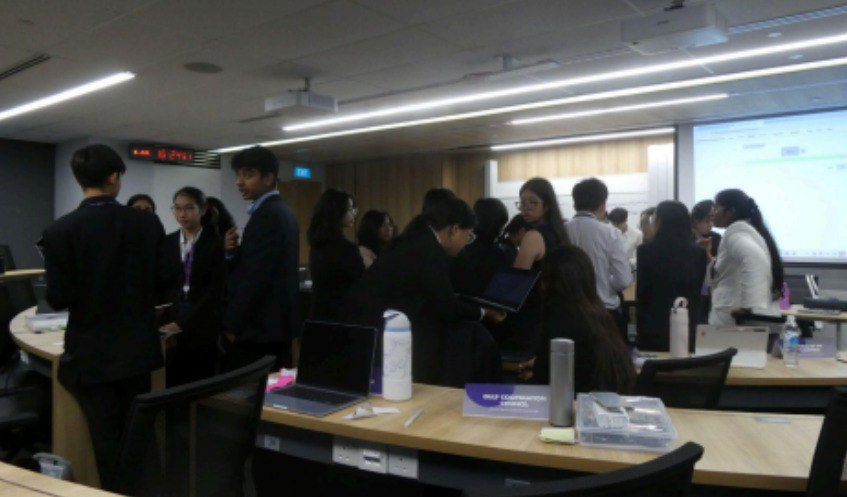
At the recent ASEAN Ministerial Meeting on Sports (AMMS), India voiced strong support for the integration of sports involvement into school curriculum and endorsed regional efforts to provide scholarships leaning towards sports for the youth, together with the minister of Malaysia and United States.
Recognising the crucial role that physical activity plays on youth development, youths gain a variety of skills by doing sports. It helps them develop their personalities, gain self-assuredness, as well as self esteem. Sports is known for its ability to promote teamwork, physical fitness and overall well-being. Youths who perform in sports are offered entertainment value while given the opportunity for social interaction, to foster relationships and to build community, all of which is essential for positive youth development
India has emphasised its own national approach – mandating schools to hold 1 to 2 physical education (P.E) periods each day to promote physical activity within youth. Officials from each ASEAN country have noted that this move has already increased student participation in various sports, helping them build discipline, teamwork and confidence from a young age.
“Early exposure is key”, said the Minister of India. When children engage in sports through school, they are more likely to discover their passion and grow their potential over time. This exposure helps students identify the sports they enjoy and could potentially pursue at higher levels.
India also backed Singapore’s proposal to introduce scholarships for youth interested in sports. This initiative is seen to be especially impactful in India, where many families face financial hardship. For students who lack access to higher education or extracurricular opportunities, sports scholarships can serve as both a pathway to further education and a chance to refine their talents.
Concerns were raised about the possibility of students focusing too heavily on sports at the expense of their studies. However, India sees that this is rare. Given the limited opportunities available in many communities, students are more likely to treat these scholarships with dedication, balancing both their academic and athletic responsibilities.

In India, around 57% of schools still lack proper playgrounds, and basic sports facilities are considered a luxury in such schools. This shortage is worsened by the lack of trained support staff, which contributes to underperformance in national and international competitions, despite strong showings at the state and local levels. In areas like Hubballi, athletes face major challenges such as limited access to training and the absence of synthetic tracks. According to UN Article 31, every child has the right to engage in play and recreational activities, yet sports remain out of reach for nearly 100 million children across India, particularly those living in poverty. This highlights the urgent need to instil active and healthy habits from a young age, across all genders and social backgrounds. Making sports an essential part of education is not only a tool for personal development but also a powerful way to strengthen the nation. India has called attention to the lack of infrastructure in rural and underprivileged regions and emphasised the need for better facilities, proper coaching, and qualified educators to unlock the full potential of young talent.
In this challenge, India will be gaining support with the involvement of international partners such as the European Union, New Zealand, Australia, United States of America and many more. These representatives all work toward the common goal; to ensure equal access to sports and education for all youth, regardless of socio-economic background.
By collaborating on funding, infrastructure development, and education, these partners aim to strengthen sports systems, build modern facilities, train local coaches, and offer scholarship opportunities that can transform lives all over the world. This united approach not only uplifts underprivileged communities, but also fosters a spirit of global solidarity and shared responsibility in nurturing the next generation of athletes, leaders, and changemakers.
India views this partnership as a powerful step forward in creating long-term solutions — where no child is left behind, and every child has a chance to shine, both in the classroom and on the field.
With the implementation of sport scholarships being offered, it has the potential to motivate students to excel both on the field and in the classroom. It can encourage young athletes to maintain strong academic standing while continuing to develop their athletic skills. This balanced approach not only builds discipline but also promotes a healthy relationship between education and extracurricular commitment. By bridging sports and education, India and its ASEAN partners can ensure that youth are not forced to choose between their passion and their future — but are instead empowered to pursue both.


Comments